
Udaipur, October 8: The lack of rainfall has intensified the water and crop crisis in Rajsamand district. Following 17 mm of rain on September 29, the region has not seen any precipitation for the past eight days. As of October, the district has recorded an average of 407 mm of rainfall, significantly lower than the 948 mm during the same period last year, marking a 57% decrease.
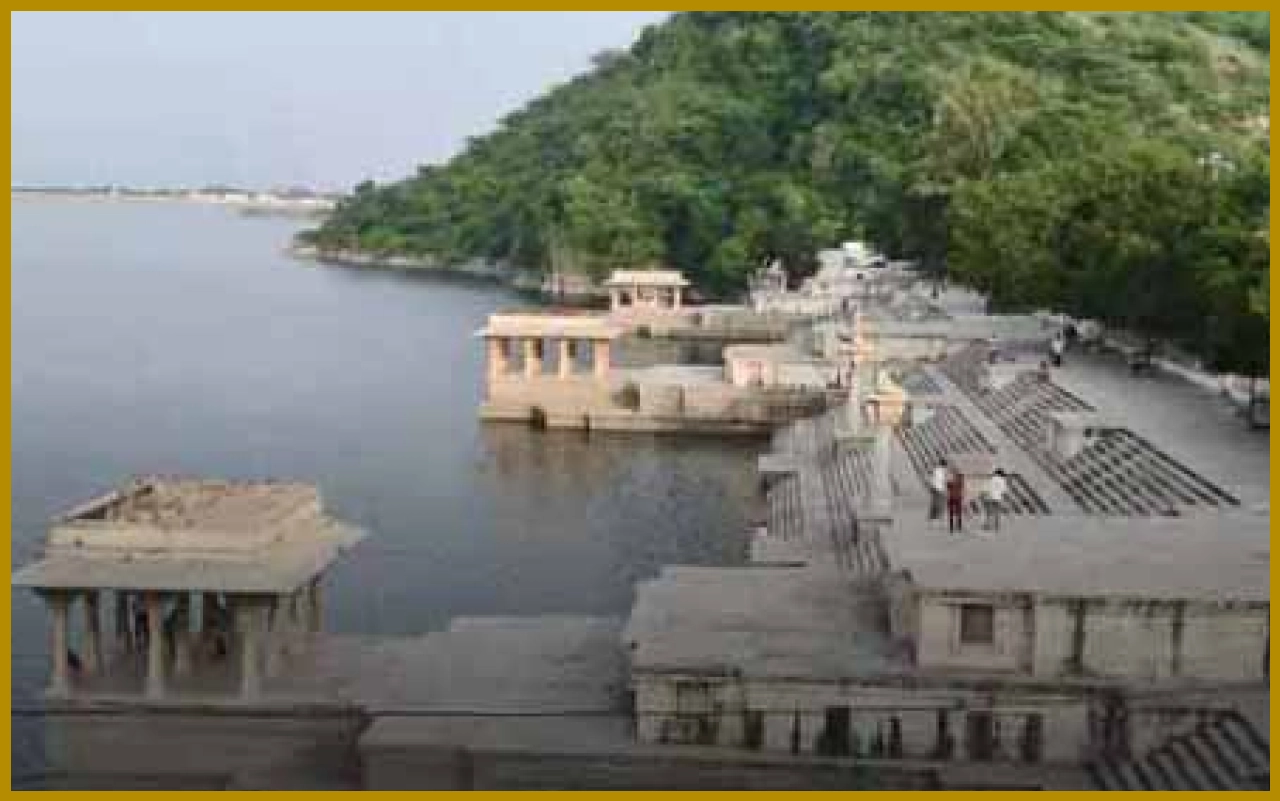
Currently, the Rajsamand Lake holds 18.95 feet of water, with 1,986.50 MCFT available in a reservoir that has a total capacity of 3,786 MCFT. The Gomati River has dried up, and water flows into Nandsamand only during overflow from the Khari feeder. Nandsamand, with a capacity of 786 MCFT, currently has only 153.40 MCFT, or 19.50% of its capacity. At Bagheri Naka, the water level stands at 106.28 MCFT against a capacity of 311.68 MCFT, which supplies drinking water to 264 villages.
Over 88,000 hectares have been sown with Kharif crops in the district, including maize, jowar, bajra, urad, moong, and cotton across 60,000 to 65,000 hectares. Due to the lack of rainfall, 20-30% of these crops are at risk of drying out. The agriculture department has warned that if the situation persists, production could drop by approximately 30%.