Mumbai, known as the financial heartbeat of not just Maharashtra but the entire country, stands as a city of dreams and continuous progress, famously called the ‘Dashing City’. However, recent political shifts have highlighted contrasting approaches to the city’s development.
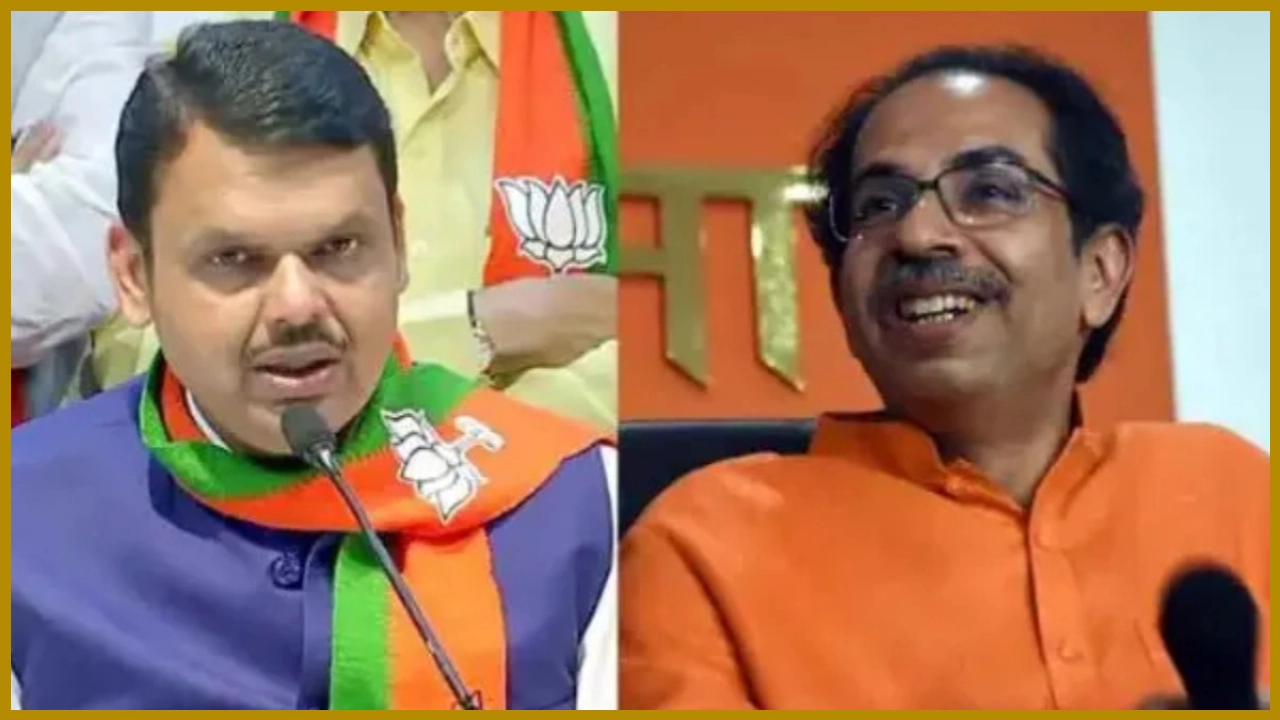
Under the leadership of Devendra Fadnavis and the BJP-Mahayuti coalition from 2014 to 2019, Mumbai witnessed a golden era of infrastructure growth. Projects like the Mumbai Metro network, Coastal Road, and the Trans Harbour Link (Atal Setu) moved rapidly from paper to reality, symbolising a new phase of modernisation for the city.

In contrast, the governance period under Uddhav Thackeray-led Mahavikas Aghadi (MVA) saw a significant slowdown. Accusations have been made that political vendettas, including blocking the Metro-3 project’s Aarey car shed, inflated project costs by ₹10,000 crore and delayed progress by four years. The MVA’s approach reportedly involved stalling welfare projects, leading to widespread frustration among Mumbai residents facing worsening traffic and infrastructure challenges.
During the challenging lockdown period, while citizens struggled, the MVA government faced corruption allegations and was accused of prioritising political interests over public welfare, with controversies ranging from food schemes to health services.

The return of the Mahayuti government in 2022, led by Chief Minister Eknath Shinde and Deputy Chief Minister Devendra Fadnavis, brought relief. They swiftly removed bureaucratic hurdles, revitalising stalled projects. The completion and opening of the Atal Setu, India’s longest sea bridge, stand as a testament to this renewed momentum. Additionally, the Coastal Road project has significantly reduced travel time between South Mumbai and Worli.
Despite earlier criticism, the bullet train project is now progressing actively, alongside the expansion of metro routes, signalling ongoing infrastructure development aimed at enhancing urban mobility.

Following the 2024 Maharashtra Assembly elections, the Mahayuti government’s return has raised public expectations for uninterrupted progress. However, concerns loom over the possibility of the ‘speedbreaker’ alliance regaining power in the upcoming 2026 Brihanmumbai Municipal Corporation (BMC) elections, which could stall Mumbai’s development once again.
The ‘speedbreaker’ tag has been attributed to Uddhav Thackeray and his allies due to a governance style perceived as development-resistant, marked by political ego, corruption allegations, and self-serving agendas that could potentially push Mumbai’s growth back by decades.

For the city’s residents and stakeholders, the critical question remains: do they prefer a fast-paced development model or a government likely to delay key projects and hinder Mumbai’s progress? Ensuring that Mumbai’s development remains unhindered is essential to avoid hardships for its citizens and to uphold the city’s status as a thriving metropolis.