
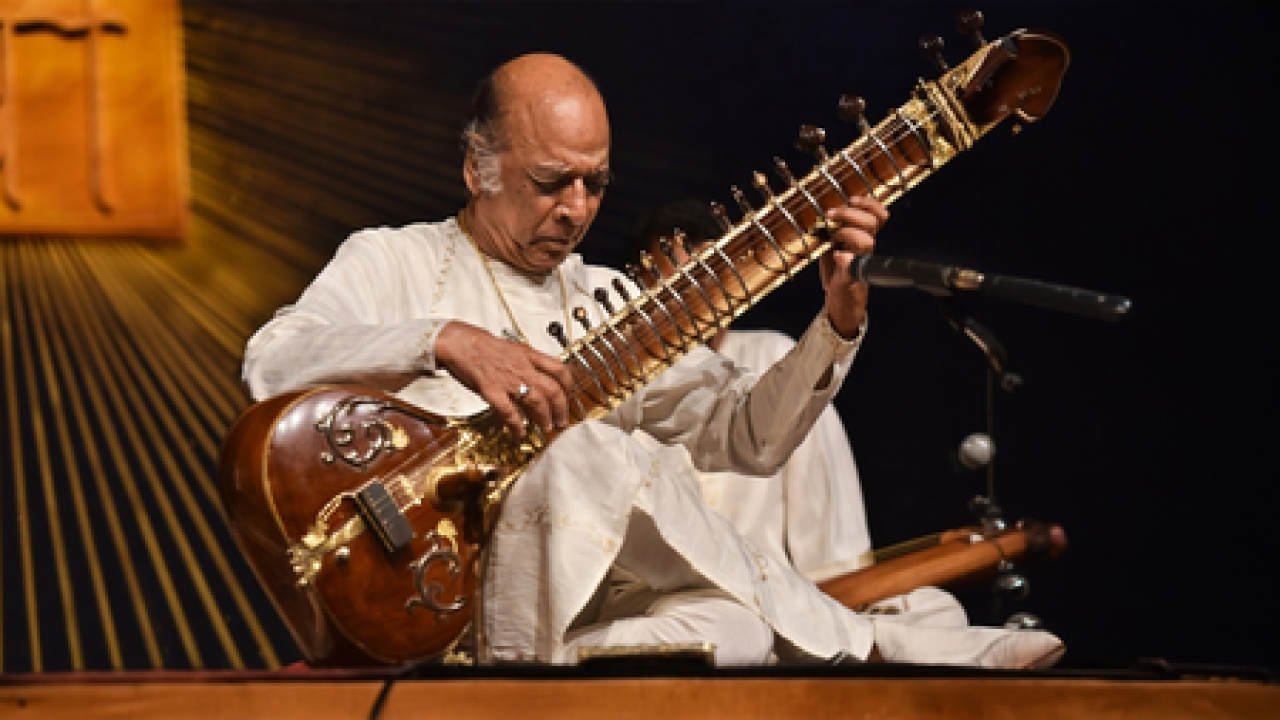
New Delhi, March 12: Ustad Vilayat Khan, known as ‘Aafataab-e-Sitar’, has left an indelible mark on the Indian music scene. His dedication to the sitar was so profound that he often faced injuries during practice, yet he persevered. He believed that stopping meant starting all over again, a testament to his discipline and determination.
Born into a musical family, Ustad Vilayat Khan was the son of Ustad Inayat Hussain Khan and the grandson of Ustad Imdad Khan, both renowned sitar players. He advanced the traditional style of sitar playing and developed his unique ‘gayaki ang’ style, which infused the instrument with the sweetness and emotion of singing.
He was a pioneer in presenting Indian classical music abroad in independent India and performed for nearly five decades. Apart from classical music, he also contributed to films, providing sitar music for notable works like Satyajit Ray’s ‘Jalsaghar’, ‘The Guru’, and ‘Kadambari’. His performances captivated audiences with their depth and emotional resonance.
Ustad Vilayat Khan’s commitment to practice was legendary; he would often cut his fingers during intense sessions, leaving bloodstains on the walls. When friends inquired about the patterns, he attributed them to hard work. His legacy continues to inspire musicians today, with both of his sons, Sujat Hussain Khan and Hidayat Khan, also becoming celebrated sitar players. Ustad Vilayat Khan’s unwavering pride in classical music and his artistry remain influential in the music community.