
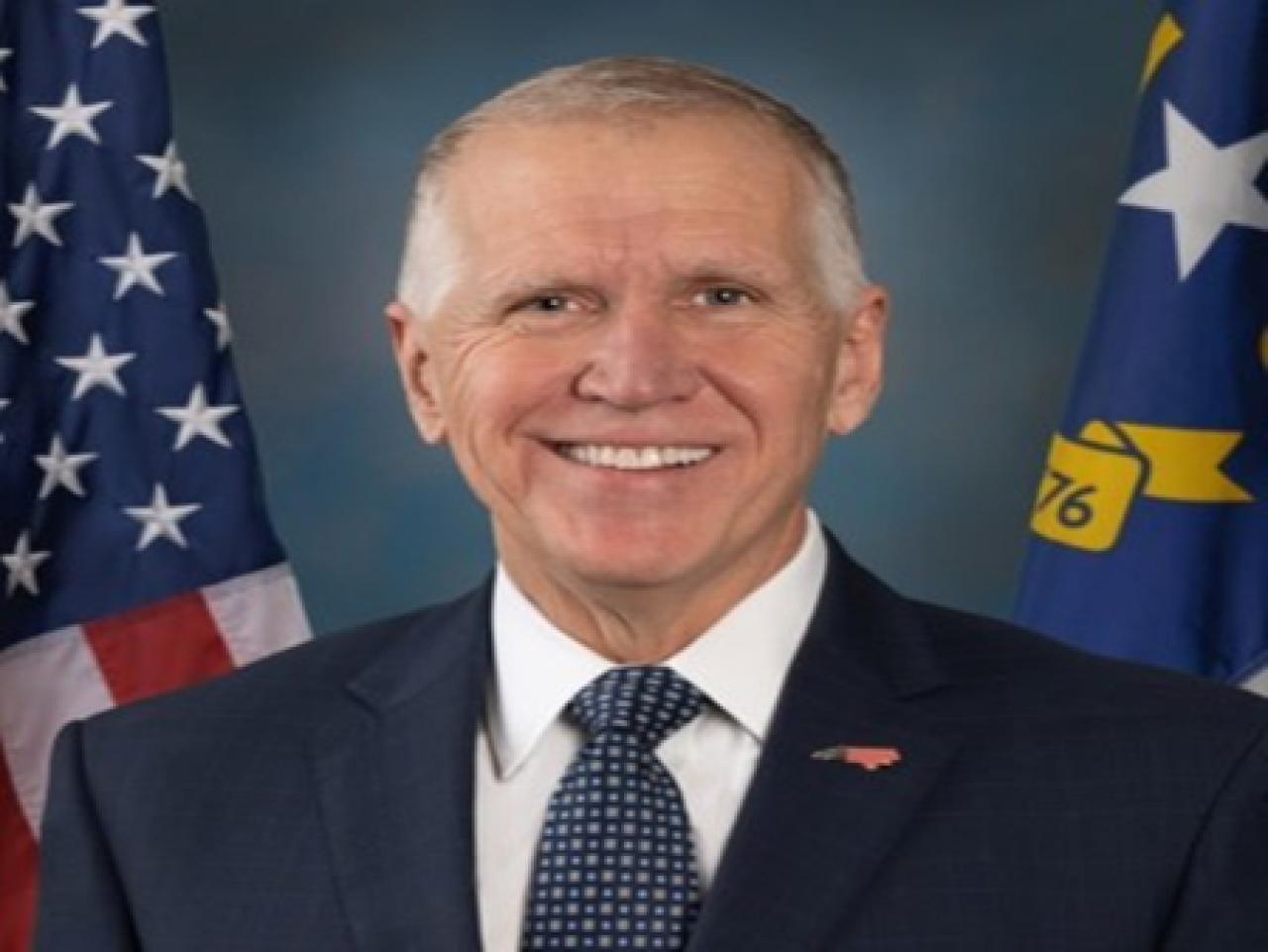
Washington, March 22: A prominent Republican senator has expressed concerns about the lack of clarity regarding the Trump administration’s objectives in the Iran conflict. He warned that this ambiguity could weaken relations with key allies, although he also supported some of President Donald Trump’s policies.
In an interview on ABC News, Senator Thom Tillis stated that the U.S. strategy in Iran remains unclear. When asked about the objectives of the war, he said, “I don’t know, and I think that’s a serious problem.”
He noted that initial military actions appeared effective, mentioning that earlier bombings were quite successful. However, he cautioned that the broader strategy remains uncertain, emphasizing, “It’s very unclear right now. I don’t know what our long-term strategic goals are.”
These comments come at a time when the Pentagon is preparing a potential request for up to $200 billion for war efforts, which will require bipartisan support in Congress. Tillis mentioned that lawmakers need clarity before approving such funding, stating, “We need to know how this money will be spent.”
He also highlighted the necessity of political consensus for funding, noting the need for Democratic support and stating, “We have to figure out how to get that.”
Additionally, Tillis warned against a tendency towards isolationism following U.S. intervention in the region. He said, “We can’t intervene first and then suddenly become isolationist at the end.”
He stressed that global supply chains and allied economies depend on stability in the Strait of Hormuz, adding, “Our allies, our partners, and those we rely on to stabilize the Middle East… they depend on this.”
Tillis also refuted criticisms of NATO, countering Trump’s claims that allies were reluctant to support efforts in the region. He remarked, “I don’t think they are cowards,” noting that the lack of consultation with allies before military action affected their responses. He cautioned that U.S. actions could damage long-term partnerships, stating, “You can’t have it both ways, intervening militarily and then expecting allies to handle the fallout.”