
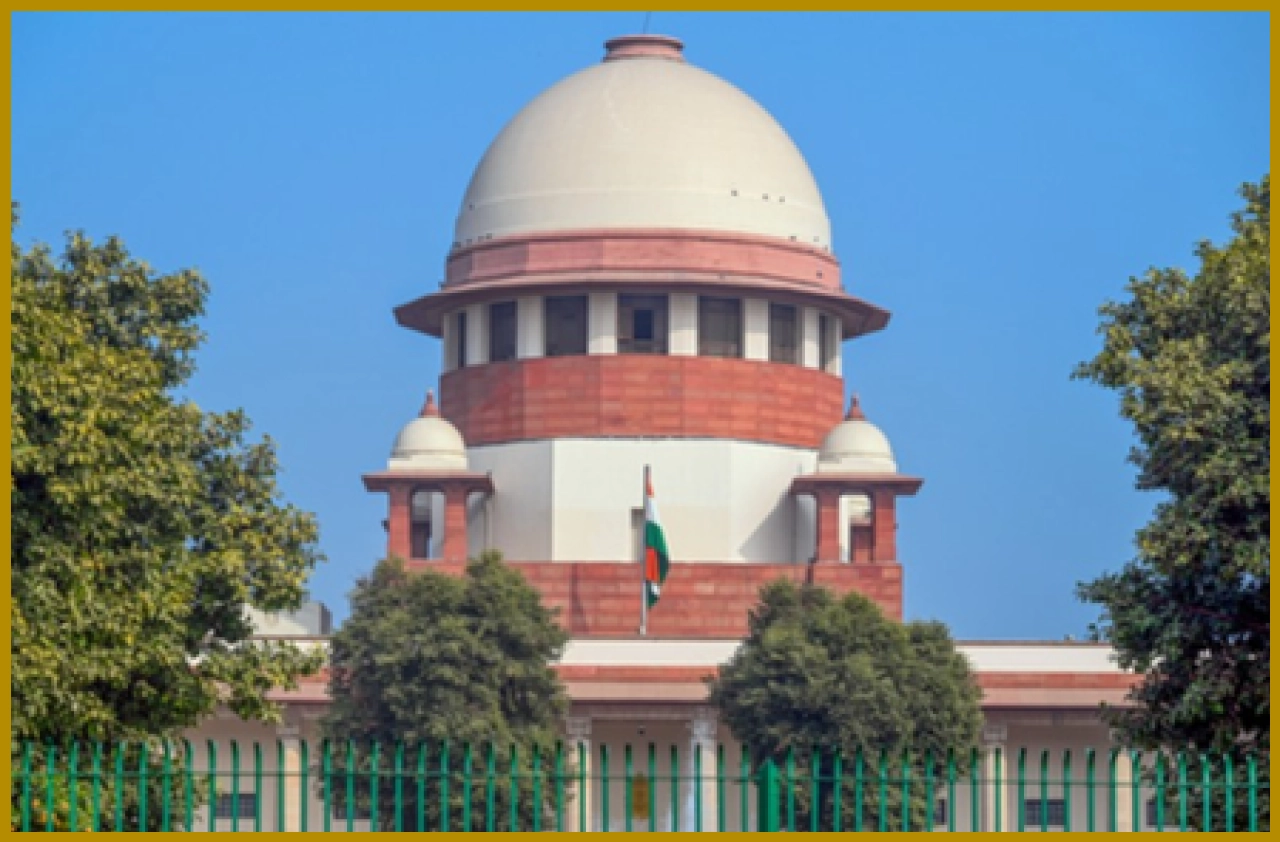
New Delhi, February 4: The Supreme Court has initiated hearings regarding the auction of the Hyatt Regency Hotel in Delhi, stemming from a public interest petition filed by the NGO Infrastructure Watchdog. Senior advocate Prashant Bhushan, representing the petitioner, raised concerns about the misuse of the Insolvency and Bankruptcy Code (IBC) process.
During the proceedings, the bench led by Chief Justice of India (CJI) D.Y. Chandrachud questioned the apparent double standards in property valuation. CJI Chandrachud remarked that when a poor woman seeks to sell her home, banks often undervalue it at around ₹40 lakh. In contrast, he questioned why the valuation rules differ when it comes to a five-star hotel. “What is happening here?” he asked.
The court expressed concern over how valuations are determined in such cases. The Supreme Court has requested the central government to provide a complete account of the valuation and IBC process concerning the Asian Hotels Group (Hyatt Regency Delhi). The court inquired how the hotel’s valuation was conducted following alleged negligence in loan repayments.
CJI Chandrachud emphasized that if a debtor can repay the bank to save their property, they should be given that opportunity. However, he insisted that transparency in the valuation process is essential. The court expressed apprehension over the varying approaches taken in different cases.
Notices have been issued to Bank of Maharashtra, Punjab National Bank, and Asian Hotels, directing them to respond. The petition alleges that the valuation of the hotel was deliberately minimized due to collusion among bank officials, leading to significant loan write-offs and misappropriation of public funds.
This case is pivotal for the protection of public money and transparency in the IBC process. The Supreme Court clarified that there should be no double standards in such procedures. A decision will be made based on the government’s and banks’ responses in the upcoming hearings. This marks a significant step towards ensuring accountability in corporate loan waivers and asset auctions.