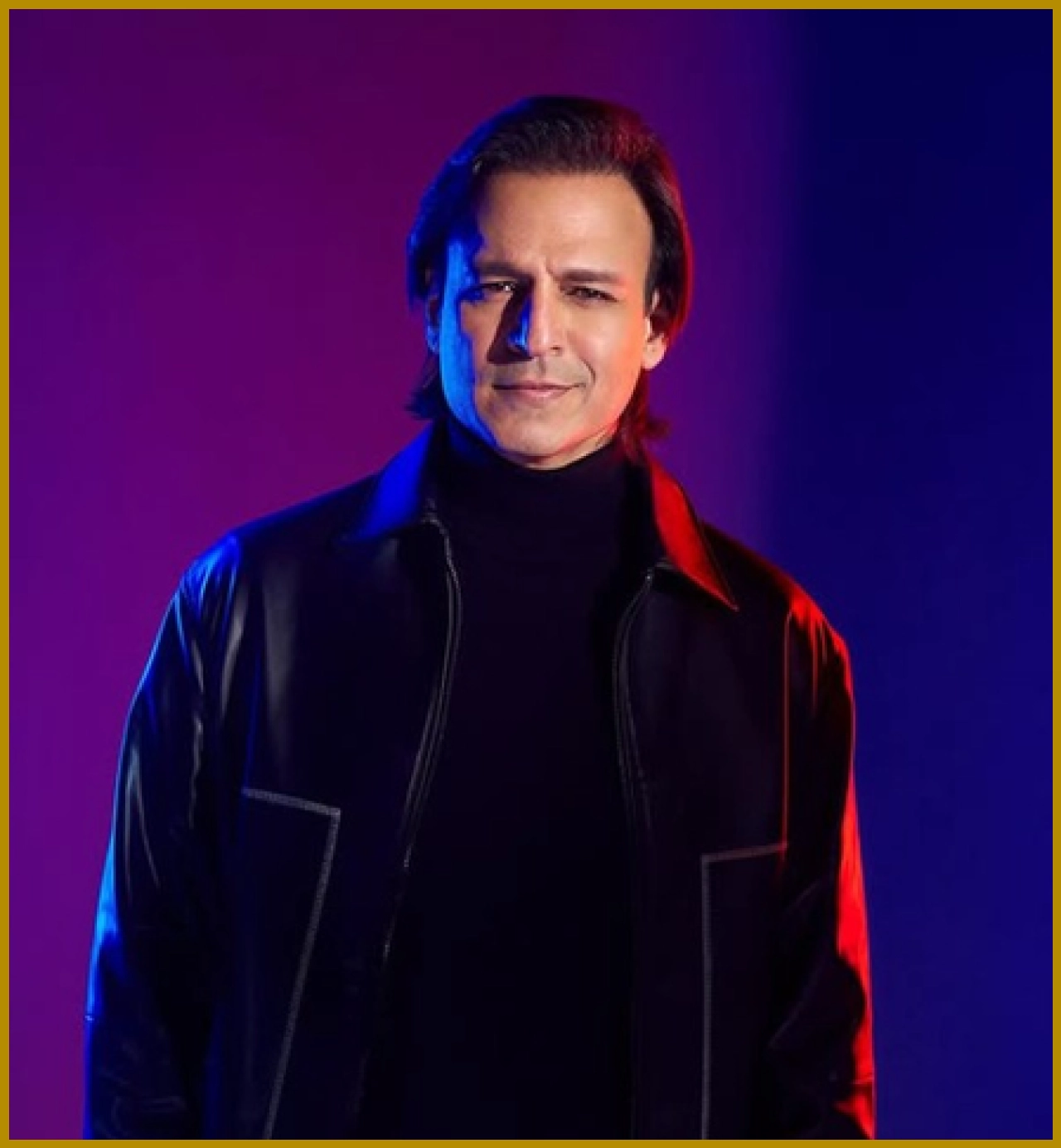
New Delhi, February 4: Bollywood actor Vivek Oberoi has taken legal action to protect his personality rights by approaching the Delhi High Court. He filed a petition regarding the unauthorized use of his image and identity across various digital platforms and websites. The petition was submitted by his lawyer, Sana Rais Khan.
In his plea, Oberoi stated that elements associated with his name, image, voice, and identity are being used without permission, not only for commercial gain but also causing damage to his public image.
Oberoi emphasized that despite being a public figure, he holds the primary legal right over his identity, and no entity or individual can use it without his consent.
The petition filed in the Delhi High Court highlights the ease with which a celebrity’s image can be manipulated through artificial intelligence, deepfake technology, and digital advertisements in today’s digital age. Oberoi warned that if this issue is not addressed promptly, it could lead to significant economic losses and serious social and mental repercussions.
He has requested the court to safeguard his personality rights and impose a ban on any unauthorized use in the future.
Oberoi clarified that his petition does not oppose creative expression or journalistic freedom. His aim is to ensure that his identity is used only with his explicit consent, making it mandatory to seek his permission before utilizing his image in advertisements, promotions, digital content, or any other commercial activities.
Sana Rais Khan argued before the court that personality rights are linked to an individual’s dignity and privacy under Indian law. Exploiting a celebrity’s popularity for profit is legally wrong, and strict measures are necessary to prevent this. She warned that without clear judicial guidelines, the problem could escalate in the future.
It is noteworthy that in recent years, several Indian artists and public figures have approached the courts to secure their personality rights, as the growing influence of digital platforms continues to make this issue increasingly critical.