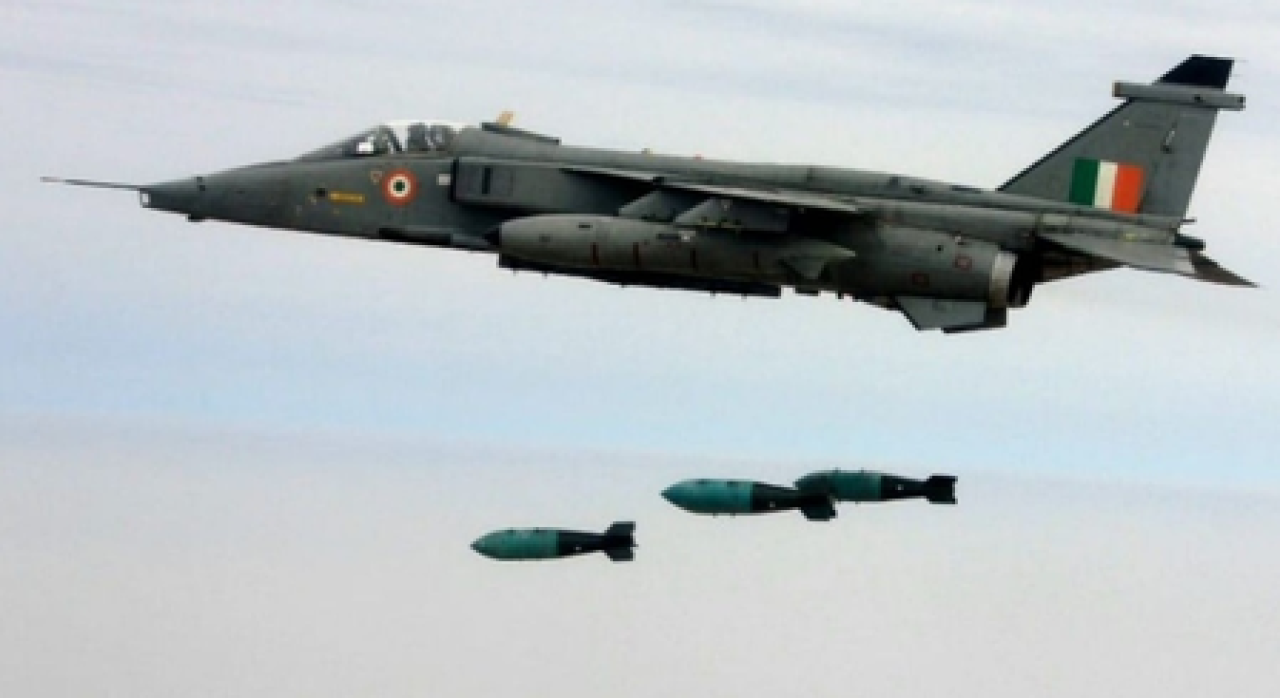
New Delhi, May 22: The Jaguar fighter jet, renowned for its deep penetration strike capabilities, is currently facing a significant issue similar to that once experienced by the MiG-21 jets: a shortage of spare parts. Reports indicate that India is the only country in the world still operating the Jaguar fighter jet, and manufacturers of its parts have expressed their inability to supply the necessary components.
The Indian Air Force (IAF) has highlighted this issue in its Capability Roadmap document. According to the document, the Martin-Baker ejection seats installed in the Jaguar aircraft are facing obsolescence issues, primarily due to the unavailability of spare parts from the original equipment manufacturer. Martin-Baker has reported its inability to supply over 250 lines of essential spare parts.
To address this problem, the Air Force is currently repairing the existing ejection seats in-house. However, the IAF believes that a permanent solution is crucial to prevent further obsolescence of these seats. It is also essential to meet the precise specifications regarding size, fitting, functionality, and material standards. The Air Force is now working towards developing a solution domestically.
According to defense officials, any aircraft must undergo various checks before takeoff. These checks ensure that every part is functioning correctly, the appropriate ammunition is loaded, and all systems are operational. Additionally, several critical inspections, including fuel quantity checks, are conducted. All this information is recorded in a form known as Form-700, which is signed by all inspecting officers. Once all checks are completed, this form is handed over to the pilot. However, if any faults are recorded in Form-700, the aircraft is not permitted to fly.
The ejection seat is a vital component of an aircraft. In the event of a bird strike, engine failure, or any other technical malfunction, it is the ejection seat that safely extracts the pilot from the aircraft. With the original equipment manufacturer failing to provide spare parts, many critical components of the ejection seat will reach the end of their service life, making it impossible for the aircraft to fly. This is why the Air Force has begun searching for indigenous solutions before the parts reach their end of life. Currently, the Indian Air Force has six upgraded squadrons of Jaguars.
Looking at the current status of the IAF’s fleet, various variants of the MiG-21, including the MiG-21 Bis, MiG-21 Type-96, MiG-27, and MiG-21 Bison, have already been phased out. The MiG-29 will also begin to be phased out gradually starting in 2030. Following this, three squadrons of Mirage-2000 and six squadrons of Jaguar will also enter the phase-out process. By 2035, the Air Force’s older fighter fleet will be almost entirely retired.
To address this shortfall, the Air Force is relying on the indigenous Tejas Mark-1A fighter jet and the procurement of 114 multi-role fighter aircraft. A contract has been signed for the purchase of a total of 220 Tejas fighter jets with HAL. So far, 38 Tejas Mark-1 jets have been inducted into the Air Force, while deliveries of the 180 Tejas Mark-1A jets have yet to commence.