
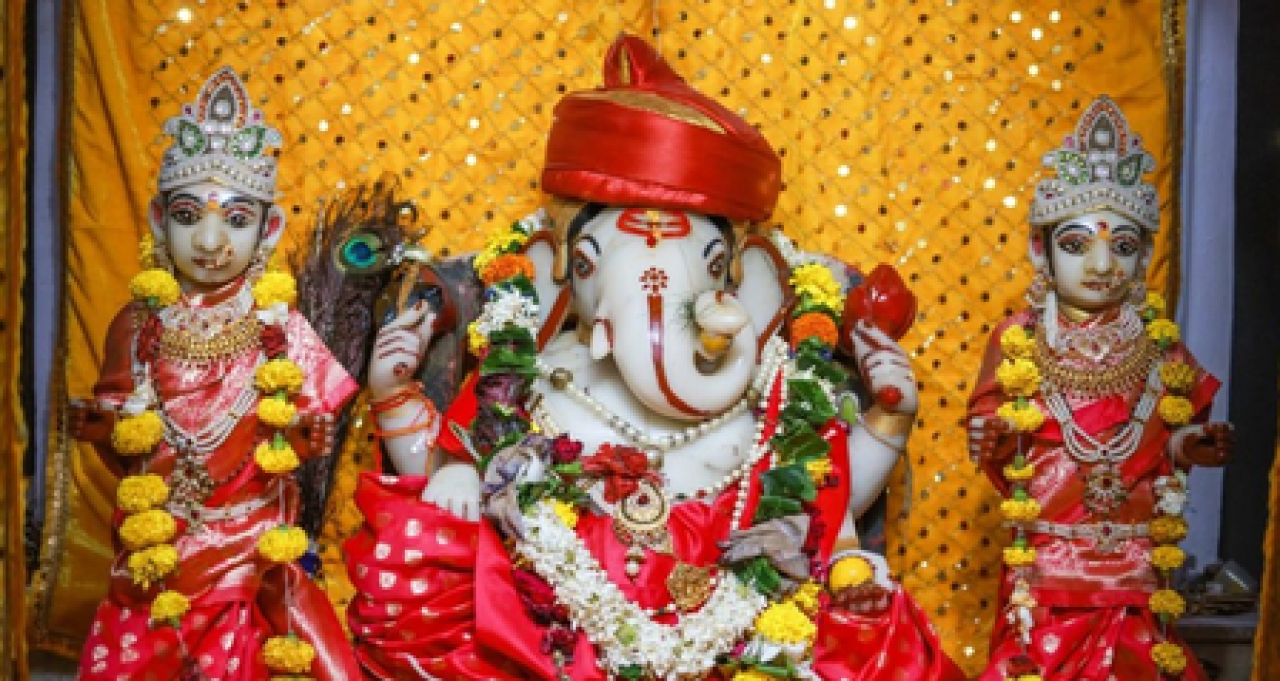
Jhansi, April 24: In the historic city of Jhansi, where every wall and stone echoes tales of the bravery of Rani Lakshmibai, stands an extraordinary ancient temple dedicated to Lord Ganesh, right at the entrance of the Jhansi Fort. This temple is renowned not only for its unique architecture and devotion but also for its rich historical narrative.
The ancient Ganesh temple holds significant religious importance and is a vital part of Jhansi’s cultural and historical heritage. A large number of devotees visit to seek blessings from Vighnaharta, Lord Ganesh.
It is said that Rani Lakshmibai herself visited this ancient temple daily for worship. The temple features a distinctive dome-like structure, showcasing the splendid craftsmanship of ancient architecture. Inside, a beautiful marble idol of Lord Ganesh radiates divinity.
The temple is historically significant as the site where the marriage of King Gangadhar Rao and Manikarnika Tambe (later known as Rani Lakshmibai) took place in 1842. Amid sacred rituals, Manikarnika was bestowed with the name ‘Rani Lakshmibai.’ Legend has it that she regularly worshipped at this temple, seeking strength and peace of mind from Lord Ganesh.
There remains a bit of mystery surrounding the temple’s construction. It is believed to have been built around 1760 AD. Some historians claim that it was constructed by Vishwas Rao Laxman, the subedar of Jhansi under the Maratha Peshwas, while others attribute its foundation to Raghunath Rao Navalkar, the founder of the Navalkar dynasty. One thing is certain: this temple continues to symbolize the unwavering faith and devotion of generations past.
A notable feature of the Ganesh temple is the grand celebration of Ganesh Chaturthi, which is observed with great enthusiasm. Locals still perform worship at this temple before bringing Ganesh idols into their homes, a tradition that has been upheld since the time of Rani Lakshmibai.