PM Modi Monitoring NEET Paper Controversy, Major Statement from Supreme Court
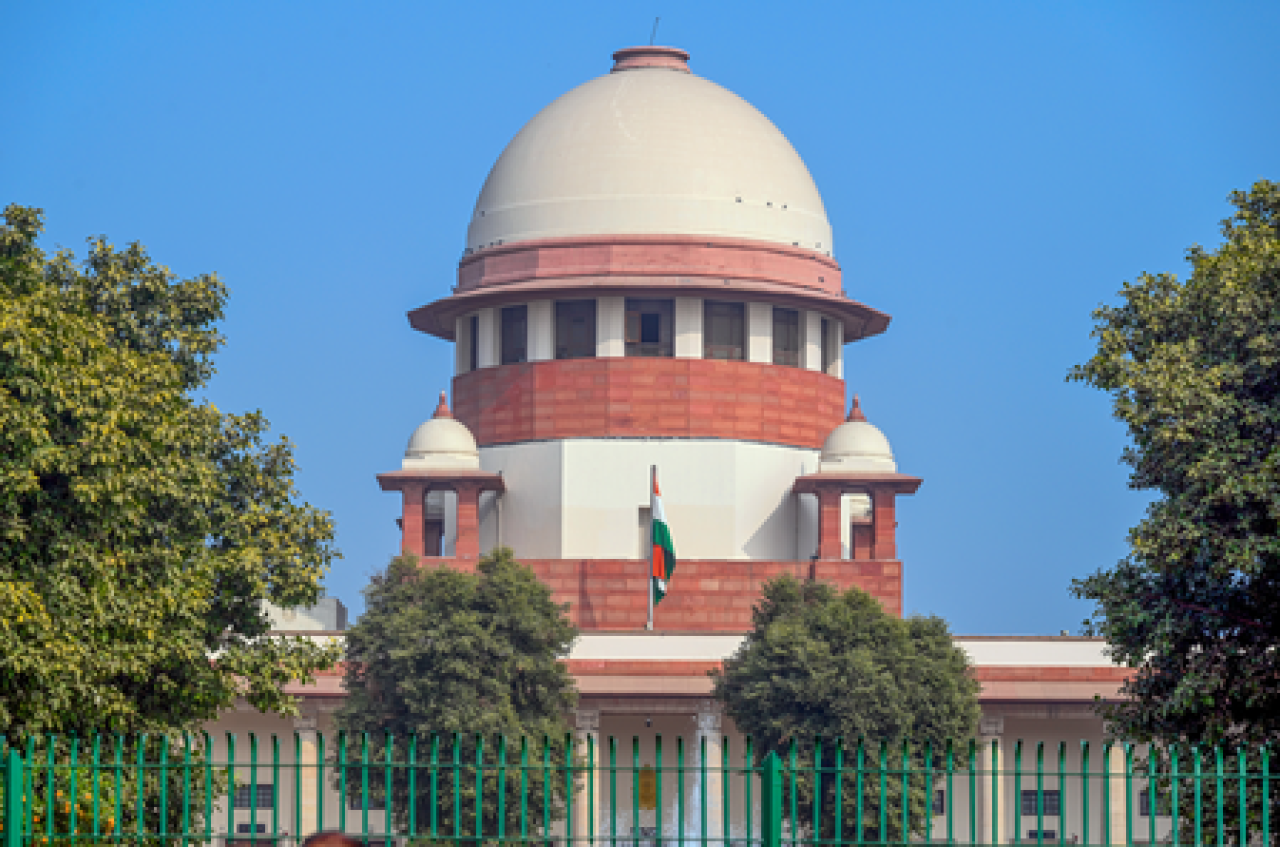
New Delhi, May 29: A significant hearing regarding the NEET-UG 2026 examination controversy took place in the Supreme Court on Friday. During the proceedings, the central government informed the court that Prime Minister Narendra Modi is personally overseeing the entire matter.
The Supreme Court raised serious questions about the functioning of the National Testing Agency (NTA), stating that until individual accountability is established, such discrepancies are unlikely to cease.
A bench comprising Justices P.S. Narasimha and Alok Aradhe was hearing multiple petitions related to reforms in the NEET-UG examination. These petitions demand a complete transition to a computer-based test (CBT) format and significant improvements in the examination system.
Solicitor General Tushar Mehta, representing the central government, emphasized that the government is taking this issue very seriously due to its direct impact on the youth of the country. He stated, “Prime Minister Narendra Modi is personally monitoring the entire matter.”
The Supreme Court expressed concern over the recurring examination controversies, asserting that merely establishing institutional responsibility is insufficient; it must be clear who holds what responsibility.
The court remarked, “The real problem will not be resolved until actual accountability is determined. It should be known who is responsible for what.”
Additionally, the court noted that such incidents are extremely distressing for students and their families, as millions prepare for these examinations with years of hard work, time, and emotions invested.
The court commented, “We cannot disappoint our students. This is not just about the student, but about the dreams and struggles of entire families.”
The Supreme Court described the NTA’s functioning as ‘ad-hoc’ and stated that the country’s examination bodies should operate with a robust and permanent structure. The court referenced the Union Public Service Commission (UPSC) as an example, suggesting that the NTA should learn from institutions like UPSC that successfully conduct large-scale examinations without controversy.
The court also advised increasing collaboration with specialized institutions, including IITs, to further strengthen examination security and management.
During the hearing, the Supreme Court directed the Ministry of Human Resource Development to file a detailed affidavit on the steps to enhance the organizational capacity and resources of the NTA. The court made it clear that the objective is to ensure that incidents like those in 2024 and 2026 do not occur again. The next hearing in the matter is scheduled for July.